
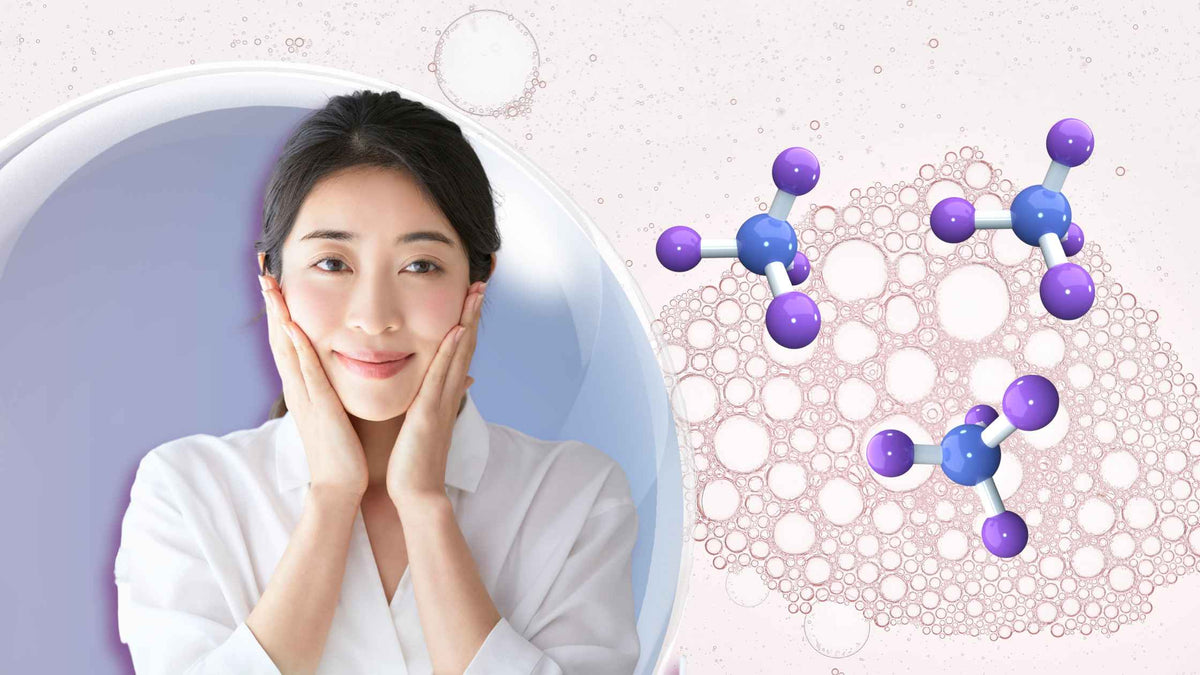
What Is Human Stem Cell Conditioned Media and How Is It Made?
Human stem cell conditioned media is the liquid left behind after human cells are grown in a lab and then removed. While growing, the cells release growth factors, proteins, lipids and tiny vesicles into that liquid. The cells are filtered out, and the remaining fluid is processed and used as an ingredient in skincare. It contains substances the cells released, not the living cells themselves.
Overview
"Conditioned media" sounds like a technical term from a laboratory, and it is. Yet it now appears on serum labels and in skincare conversations, usually without much explanation. If you have ever wondered what it actually is and how it ends up in a bottle, this post walks through it step by step. For personal guidance on your skin, you can talk to the Becura team.
Becura is a dermaceutical brand with offices in the UK, USA and India, and its HUMANESTEM™ line draws on human cell science. We have already written about how conditioned media supports skin regeneration and about human adipose-derived stem cells in skincare. This post is a simple explainer of how the ingredient is made.
What Is Conditioned Media in Simple Words?
In simple words
● Cells are grown in a lab in a nutrient liquid called a culture medium
● As they grow, they release substances into that liquid
● The liquid is then called "conditioned" because the cells have changed it
● Once the cells are removed, the remaining liquid is the conditioned media
Conditioned media is like the water left after cooking, full of what the cells released, but without the cells themselves.
What Is the Becura Approach to Cell-Derived Skincare?
Becura describes its work as science-led, built by a team of dermatologists, researchers, pharmacists and biotechnologists. Its products are made available through registered medical practitioners.
Professional Highlights
● HUMANESTEM™ Serum, 30 ml, with human adipose-derived stem cell liposomes (20%)
● Vitamin C niosomes designed for stability
● Tranexamic acid, alpha arbutin, niacinamide and a 4D hyaluronic acid complex
● A matching HUMANESTEM™ Cream for mature skin concerns
See the formula on the HUMANESTEM™ Serum page, call +91 7827003052, or follow science explainers on Instagram.
How Is Human Stem Cell Conditioned Media Made?
1. A Cell Source Is Chosen
In skincare research, stem cells are commonly obtained from human tissues such as fat (adipose) tissue. The source, consent and handling matter, and responsible brands can explain where their material comes from.
2. Cells Are Grown in Culture
The cells are placed in a controlled lab environment with a nutrient-rich liquid. Temperature, oxygen and nutrients are carefully managed so the cells stay healthy.
3. The Cells Release Their Signals
As they grow, the cells release growth factors, cytokines, proteins and vesicles into the liquid. Together these are often called the secretome.
4. The Liquid Is Collected
After a set period, the liquid is collected from the culture. This is the conditioned media.
5. The Cells Are Removed and the Liquid Is Processed
The cells are filtered out, and the liquid is purified and tested. Depending on the manufacturer, it may be concentrated, stabilised or encapsulated before being added to a skincare formula.
The most important point is that the finished ingredient is a cell-free liquid, not a product containing living stem cells.
What Does Conditioned Media Contain?
Common components
● Growth factors: Proteins that act as signals between cells
● Cytokines: Small proteins involved in communication
● Extracellular matrix proteins: Building-block proteins found around cells
● Lipids and vesicles: Tiny fats and membrane-bound spheres, including exosomes
● Residual nutrients: Left over from the culture medium
The exact mix depends on the cell type, the culture method and the processing, which is why two products with the same label can be very different.
Why Is It Used in Skincare?
Researchers have studied cell-derived signals for their role in how skin cells communicate. Our explainer on cell signalling and regenerative skincare covers the idea. In a finished product, the aim is to support the look of smoother, brighter and more comfortable skin. Evidence for individual finished products varies, so it helps to ask a brand what its formula has actually been tested on.
What Should You Ask a Brand About Conditioned Media?
Questions worth asking
● What is the cell source, and how was it obtained?
● Is the final ingredient cell-free?
● How is it tested for purity and safety?
● How is it kept stable in the bottle?
● What other active ingredients are in the formula?
● Is there evidence on the finished product, not just the ingredient?
A trustworthy brand answers these questions plainly and does not claim the serum contains living stem cells.
Why Choose Becura?
Key advantages
● A named, human-derived source rather than a vague label
● A multi-active formula for tone, glow and hydration
● Medical guidance through registered practitioners
● Educational content that explains the limits of the science
● A brand built by dermatologists, researchers and pharmacists
Compare this with other approaches in our guide to stem cells skincare vs anti-ageing products and watch updates on YouTube.
One honest note: the product page refers to conditioned media in its description but lists the stem cell component as liposomes (20%) without giving a detailed manufacturing method. If you want precise detail, ask the Becura team or your practitioner directly.
Signs You May Be Curious About Conditioned Media Serums
● You keep seeing the term on labels and want to understand it
● You are comparing growth factor, secretome and exosome serums
● You want a science-based routine rather than a trend
● You prefer products backed by professional advice
● You want to know what you are paying for
What Is the Journey From Lab to Skin?
-
Source: A human cell source is selected and tested.
-
Culture: Cells are grown under controlled conditions.
-
Collection: The conditioned liquid is collected.
-
Processing: Cells are removed and the liquid is purified and tested.
-
Formulation: The ingredient is added to a stable skincare formula.
What Are the Benefits of Understanding the Ingredient?
✔ You can read labels with confidence
✔ You can tell marketing from science
✔ You can ask better questions of any brand
✔ You can choose a serum based on evidence
✔ You set realistic expectations
How Should You Care for Your Skin When Using Cell-Derived Serums?
A healthy barrier and daily sunscreen help any serum perform better. Our guide on damaged skin barriers can help if your skin is irritated.
Simple guidelines
● Patch test every new product
● Introduce one new active at a time
● Use sunscreen every morning
● Keep the rest of your routine gentle
● Stop and speak to a doctor if you notice burning, swelling or rash
Good basics give every ingredient a fair chance to work.
Why Do Readers Trust Becura?
● Plain-language explanations of difficult science
● No claim that products contain living stem cells
● A medical, practitioner-led positioning
● Honest notes where information is limited
● Regular updates on LinkedIn and Facebook
Conclusion
Human stem cell conditioned media is the cell-free liquid collected after human cells are grown in a lab and removed. It contains growth factors, proteins, lipids and vesicles the cells released, and it is processed and tested before it reaches a formula. Understanding how it is made helps you separate science from marketing and ask the right questions. If you would like to learn more about HUMANESTEM™ Serum, get in touch with the team.
Contact Becura Email: hello@becura.org Phone: +91 7827003052
Ask the Becura team about conditioned media here
FAQs
What is human stem cell conditioned media?
It is the liquid left after human cells are grown in a lab and removed. It contains growth factors, proteins and vesicles the cells released.
How is conditioned media made?
Cells are grown in culture, release substances into the liquid, and are then filtered out. The remaining liquid is processed and tested.
Does conditioned media contain living stem cells?
No. The cells are removed, and only the substances they released remain.
Is conditioned media safe for skin?
Safety depends on the source, testing and formula. Patch test first and speak to a doctor if you have sensitive skin or a skin condition.
Where can I get HUMANESTEM™ Serum?
It is offered through registered medical practitioners. Call +91 7827003052 or use the contact page.