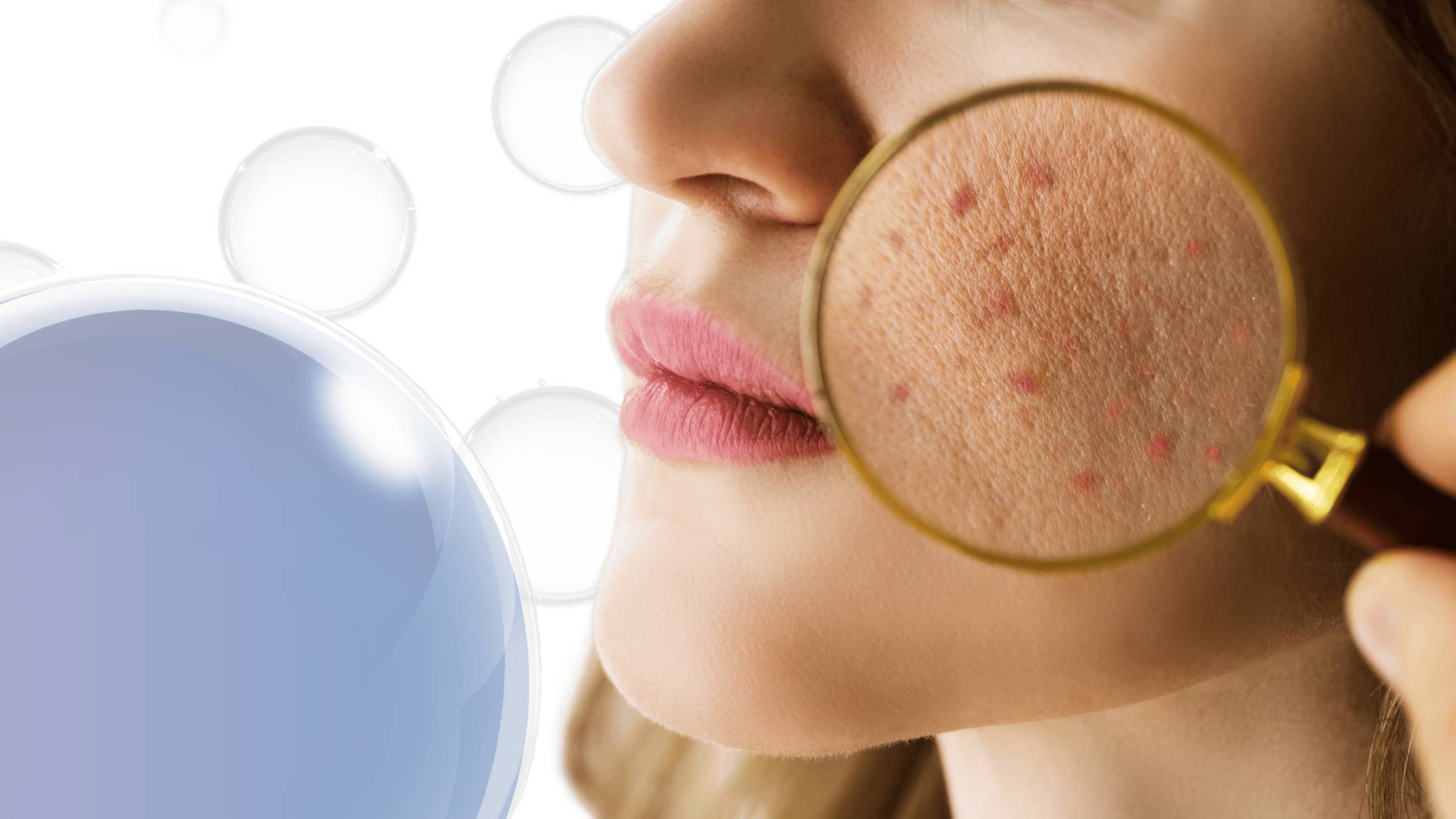

Sepiwhite Benefits for Dark Spots & Hyperpigmentation
Overview
Hyperpigmentation remains one of the most persistent and cosmetically distressing skin concerns across all age groups. From sun spots and melasma to post-inflammatory dark marks left behind by acne, uneven pigmentation affects skin clarity, tone consistency, and overall radiance. As dermatological science advances, ingredient-focused formulations are becoming the gold standard in treating discoloration effectively and safely.
Among modern depigmentation ingredients, Sepiwhite has emerged as a clinically respected active for targeting melanin imbalance. When incorporated into advanced formulations such as those developed by Becura, this ingredient demonstrates measurable improvement in dark spots and uneven skin tone.
This article explores the science-backed Sepiwhite For De-Pigmentation, its mechanism of action, benefits for hyperpigmentation, and why ingredient-driven skincare is essential for visible, long-term results.

Understanding Dark Spots & Hyperpigmentation
Before evaluating Sepiwhite’s benefits, it is critical to understand how hyperpigmentation develops.
Hyperpigmentation occurs due to excess melanin production triggered by:
-
UV radiation exposure
-
Hormonal fluctuations (melasma)
-
Post-inflammatory responses (acne marks, irritation)
-
Skin trauma or aggressive treatments
-
Environmental oxidative stress
Melanin is produced by melanocytes in the basal layer of the epidermis. When melanin production becomes dysregulated, it accumulates unevenly, leading to visible dark patches and spots.
What is Sepiwhite?
Sepiwhite is the trade name for Undecylenoyl Phenylalanine, a biomimetic skin-brightening active developed to modulate melanin production safely and effectively.
Unlike harsh bleaching agents, Sepiwhite works through melanogenesis pathway modulation rather than direct melanocyte destruction. This makes it suitable for long-term use under dermatological supervision.
It is especially known for:
-
Reducing visible dark spots
-
Supporting tone uniformity
-
Preventing recurrence of pigmentation
-
Offering gradual, controlled skin brightening
How Sepiwhite Works for De-Pigmentation
The effectiveness of Sepiwhite For De-Pigmentation lies in its ability to interfere with the alpha-MSH (melanocyte-stimulating hormone) pathway.
1. Inhibits Melanin Signaling
Alpha-MSH binds to MC1R receptors on melanocytes, stimulating melanin production. Sepiwhite acts as an antagonist to this pathway, reducing melanin synthesis at the source.
2. Controls Pigment Overproduction
By regulating the signaling cascade responsible for melanogenesis, Sepiwhite minimizes excessive pigment formation without damaging surrounding skin cells.
3. Prevents Pigment Recurrence
Unlike superficial exfoliating agents, Sepiwhite addresses pigment signaling pathways, which helps prevent re-darkening over time when used consistently.
4. Maintains Natural Skin Tone
Sepiwhite does not bleach or artificially lighten the skin. Instead, it restores natural tone balance by reducing localized hyperpigmentation.
Key Benefits of Sepiwhite for Dark Spots & Hyperpigmentation
1. Reduces Post-Acne Dark Marks
Post-inflammatory hyperpigmentation (PIH) is common in acne-prone skin. Sepiwhite helps fade these marks gradually while maintaining skin barrier integrity.
2. Improves Melasma Appearance
While melasma often requires combination therapy, Sepiwhite can be a supportive ingredient for managing hormonal pigmentation.
3. Safe for Long-Term Use
Unlike hydroquinone-based treatments, Sepiwhite is designed for prolonged topical application under guided skincare routines.
4. Suitable for Indian Skin Types
Indian skin tones (Fitzpatrick III–V) are more prone to pigmentation disorders. Sepiwhite provides controlled brightening without aggressive peeling or irritation.
5. Supports Even Complexion
With continued use, skin appears clearer, more uniform, and naturally radiant.
Why Ingredient-Focused Formulations Matter
The market is saturated with fairness creams and instant-brightening products that rely on surface-level optical diffusers or harsh exfoliants. These often:
-
Provide short-term glow
-
Cause rebound pigmentation
-
Compromise the skin barrier
Science-driven brands prioritize:
-
Evidence-backed actives
-
Balanced pH formulations
-
Barrier-supporting ingredients
-
Gradual, sustainable correction
Sepiwhite in Advanced Skincare Formulations
When formulated correctly, Sepiwhite performs optimally in combination with:
-
Antioxidants to combat oxidative stress
-
Barrier-strengthening agents
-
Hydration-supporting ingredients
-
Broad-spectrum sunscreen during daytime use
In high-quality formulations, Sepiwhite is stabilized to ensure bioavailability and skin penetration without irritation.
Becura’s formulation philosophy integrates these principles, ensuring that depigmentation is achieved without compromising skin health.
How to Use Sepiwhite-Based Creams Effectively
For best results:
-
Cleanse thoroughly before application
-
Apply a pea-sized amount to affected areas
-
Use consistently twice daily unless directed otherwise
-
Always apply sunscreen in the morning
-
Avoid combining with overly harsh exfoliants without guidance
Consistency is critical. Visible improvements typically appear within 4–8 weeks, depending on severity and skin type.
Comparing Sepiwhite to Traditional Depigmenting Agents
|
Feature |
Sepiwhite |
Hydroquinone |
Kojic Acid |
|
Mechanism |
Melanin pathway modulation |
Melanocyte suppression |
Tyrosinase inhibition |
|
Irritation Risk |
Low |
Moderate to High |
Moderate |
|
Long-Term Use |
Suitable |
Limited duration |
Caution advised |
|
Barrier Safety |
Maintains integrity |
May cause dryness |
Can irritate sensitive skin |
Sepiwhite provides a balanced approach—effective yet gentler compared to conventional bleaching agents.
Why Becura Stands Out in Depigmentation Skincare
Becura differentiates itself through:
-
Dermatology-inspired ingredient selection
-
Focus on long-term correction instead of instant whitening
-
Clean, non-irritating formulations
-
Transparent, science-backed approach
-
Products designed for Indian environmental stressors
Rather than overpromising overnight results, Becura emphasizes progressive improvement and sustained skin health.

Conclusion
Hyperpigmentation is a multifactorial skin condition that requires more than superficial brightening. Effective treatment must address melanin signaling pathways, environmental triggers, and barrier integrity simultaneously.
Sepiwhite For De-Pigmentation represents a scientifically grounded solution that regulates melanin production rather than masking discoloration. By targeting the root biological pathways responsible for dark spots, it provides gradual yet meaningful improvement in skin clarity and uniformity.
When incorporated into advanced skincare formulations such as those developed by Becura, Sepiwhite becomes part of a comprehensive strategy that prioritizes both results and skin health.
For individuals seeking a controlled, dermatology-aligned approach to dark spots and hyperpigmentation, Sepiwhite-based skincare offers a modern and reliable solution.
FAQs
1. Is Sepiwhite safe for daily use?
Ans. Yes, when formulated correctly in a topical cream, Sepiwhite is suitable for regular use as part of a structured skincare routine.
2. How long does Sepiwhite take to reduce dark spots?
Ans. Visible improvements typically appear within 4–8 weeks of consistent use, depending on pigmentation severity.
3. Can Sepiwhite treat melasma?
Ans. Sepiwhite can help improve the appearance of melasma but may work best as part of a broader dermatological treatment plan.
4. Does Sepiwhite bleach the skin?
Ans. No. Sepiwhite regulates melanin production without bleaching or artificially lightening natural skin tone.
5. Can Sepiwhite be combined with sunscreen?
Ans. Yes, sunscreen is essential when using any depigmenting product to prevent further UV-induced pigmentation.